
Read Our Latest News And Tips
Stay informed with our expert insights, latest updates, and practical tips to keep you safe.
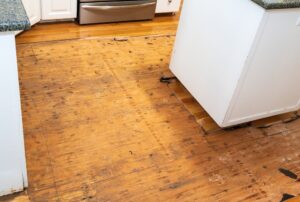
The Structural Deflection of Wet Plywood Subfloors: Why Your Substrate Needs an Inspection
A slow leak under a dishwasher or a small roof drip rarely announces itself right away. The tile or vinyl plank sitting on top can look perfectly normal for weeks while something far more serious happens underneath. Rapid Ash Response inspects what’s beneath the finish, because that’s where the real damage begins. For homeowners searching…
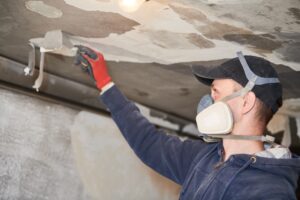
Thermal Vapor Inversion: How Smoke Deposits Containment Particles Deep Inside Wall Cavities
When a structural fire occurs, visible surface soot is only a fraction of the total contamination left behind. Long after the flames go out, a pervasive odor often lingers throughout the property. This persistent smell points to a complex physical process that happens during high-heat events. During a fire, air temperature spikes rapidly. This shift…
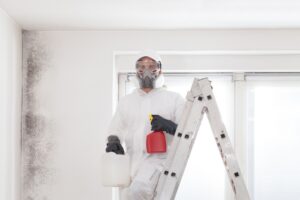
Mycotoxin Remediation vs. Spore Clearance: Breaking Down the Molecular Chemistry of Toxic Mold
Many people think the mold problem is solved when the visible patch disappears. A property owner scrubs a discolored wall, the staining lifts, and the problem seems finished. Certain mold species don’t behave that way. They produce mycotoxins, chemical compounds that bond to drywall, wood, and insulation fibers on a molecular level. These compounds remain…
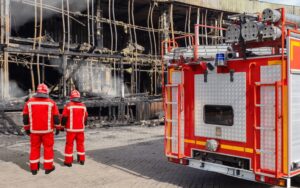
Fire Damage Assessment: The First Step Toward a Successful Recovery
Seeing your home or business after a fire is overwhelming. The instinct is to clean up immediately, but taking a step back is essential for safety and financial recovery. Before any repairs begin, a thorough evaluation determines the true extent of the destruction, both visible and hidden. Property owners face a complex road ahead. Making…
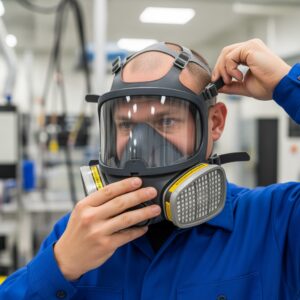
Is It Safe to Stay in a Fire-Damaged Property?
A house may still be standing after a fire, but that does not always mean it is safe to occupy. Hidden structural damage, lingering smoke residue, and contaminated air can create risks that are easy to overlook. Waiting for visible problems to appear can expose occupants to unnecessary hazards. Rapid Ash Response helps property owners…
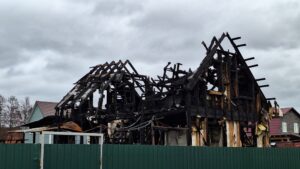
From Disaster to Recovery: How Restoration Brings Homes Back to Life
A damaged home can feel overwhelming, whether the cause is fire, water, storms, or another unexpected event. The first few days often shape how well a property recovers, making timely action and the right approach essential. Rapid Ash Response helps property owners move from uncertainty to progress with reliable solutions that address both visible damage…
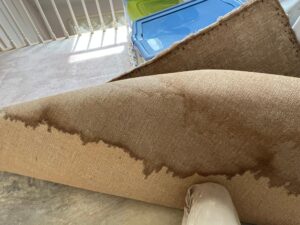
Why Delaying Mitigation Forfeits Your Insurance Coverage
Waiting for an insurance adjuster to arrive before starting water extraction or roof protection is a decision many homeowners make after a loss. The intent is understandable. People want to avoid mistakes that could affect their claim. The problem is that delays inside a damaged property often create conditions that insurance policies specifically exclude from…
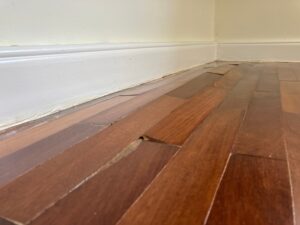
Hardwood Cupping vs. Crowning: Forensic Blueprint of Subfloor Moisture Traps
When hardwood flooring reacts to water intrusion, the damage rarely looks random. The shape of the distortion tells a clear story about where moisture is trapped and how long it has been present. After a burst pipe or appliance leak, luxury floors often warp into two distinct patterns known as cupping and crowning. Each one…
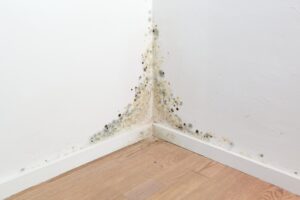
Negative Air Pressure: How Containment Zones Prevent Cross-Contamination
Many property owners are surprised to learn that mold removal can temporarily make indoor contamination worse if the affected area is not properly contained. The moment technicians begin cutting drywall, removing insulation, or disturbing mold colonies, microscopic spores enter the air by the millions. Without strict containment controls, those particles can spread through hallways, vents,…

Thermodynamic Balance: How Temperature Optimization Speeds Up Drying
When a property floods, many owners immediately turn up the heat, believing hotter air will dry the space faster. It sounds logical at first. Heat evaporates water, so raising the temperature should solve the problem. The reality inside a water-damaged building is far more complicated. Without proper humidity control, added heat can trap moisture indoors…

What Our Customers Are Saying
Below, you will find wonderful comments we have received recently.
Fire and Restoration Appraisals LLC handled our complex insurance claim with incredible expertise and professionalism. Their detailed assessment and expert testimony were crucial in achieving a fair settlement. I couldn't have asked for better representation.


The team's expertise in fire damage assessment was outstanding. They identified damage that others missed and provided detailed documentation that expedited our insurance claim process.

Their appraisal services were professional and thorough. The detailed report helped resolve a complex dispute with our insurance company quickly and fairly.
Exceptional consulting services. Their 30+ years of experience showed in every aspect of their work. Highly recommend for any insurance-related restoration needs.
Their expert testimony was clear, credible, and instrumental in our case. The level of detail and professionalism exceeded our expectations.
Get in Touch with Rapid Ash Response
When you need professional fire and water damage restoration in Philadelphia, PA and New Jersey, trust the team that responds quickly and works tirelessly to restore what matters most. Contact Rapid Ash Response today to schedule an inspection or request immediate emergency restoration assistance!